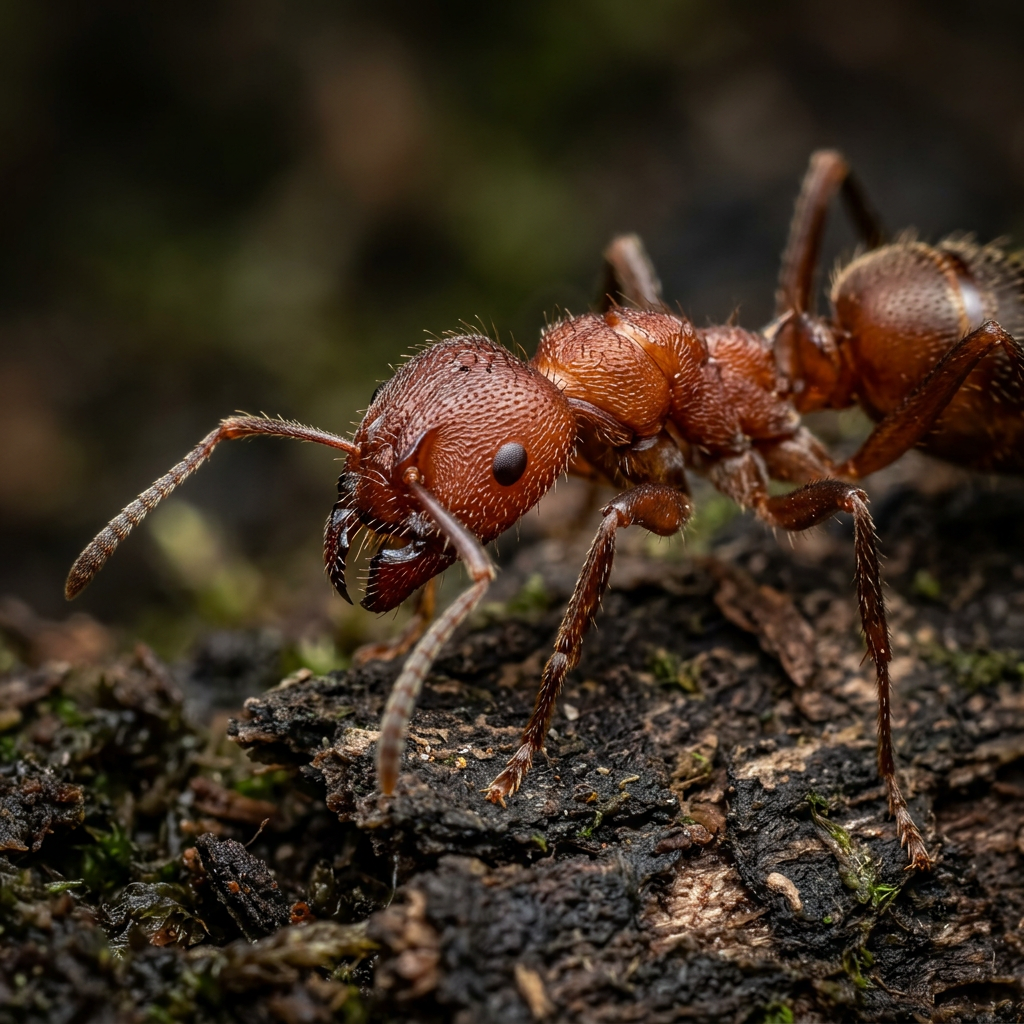
Fire Ant
Solenopsis invicta
Quick ID Markers
Habits & Biology
Fire ants are highly aggressive, omnivorous scavengers that prefer sunny, open areas. Colonies can have 100,000–500,000 workers and multiple queens.
Typical Hiding Areas
Mounds in lawns, fields, garden beds, and around foundations. Occasionally enter structures during flooding.
Signs of Activity
🗓️ Seasonality
Year-round in the South; peak activity in spring and fall when temperatures are mild.
⚠️ Mistaken Identity
🧪 Treatment Plan
Use a Two-Step method: broadcast bait across the yard, then treat individual mounds. Never disturb mounds before treatment — workers will relocate the queen.
Call a pro if mounds are within 10 feet of a structure or if someone in the household is allergic to stings.
Apply fire ant granular bait across the entire lawn in early morning or evening when ants are foraging. Workers carry bait back to queen. Wait 3–5 days before mound treating.
Prevention After Treatment
- •Broadcast bait twice yearly (spring and fall)
- •Keep landscaping trimmed away from the foundation
- •Inspect yard regularly, especially after rainfall